Structuring Web Pages With HTML
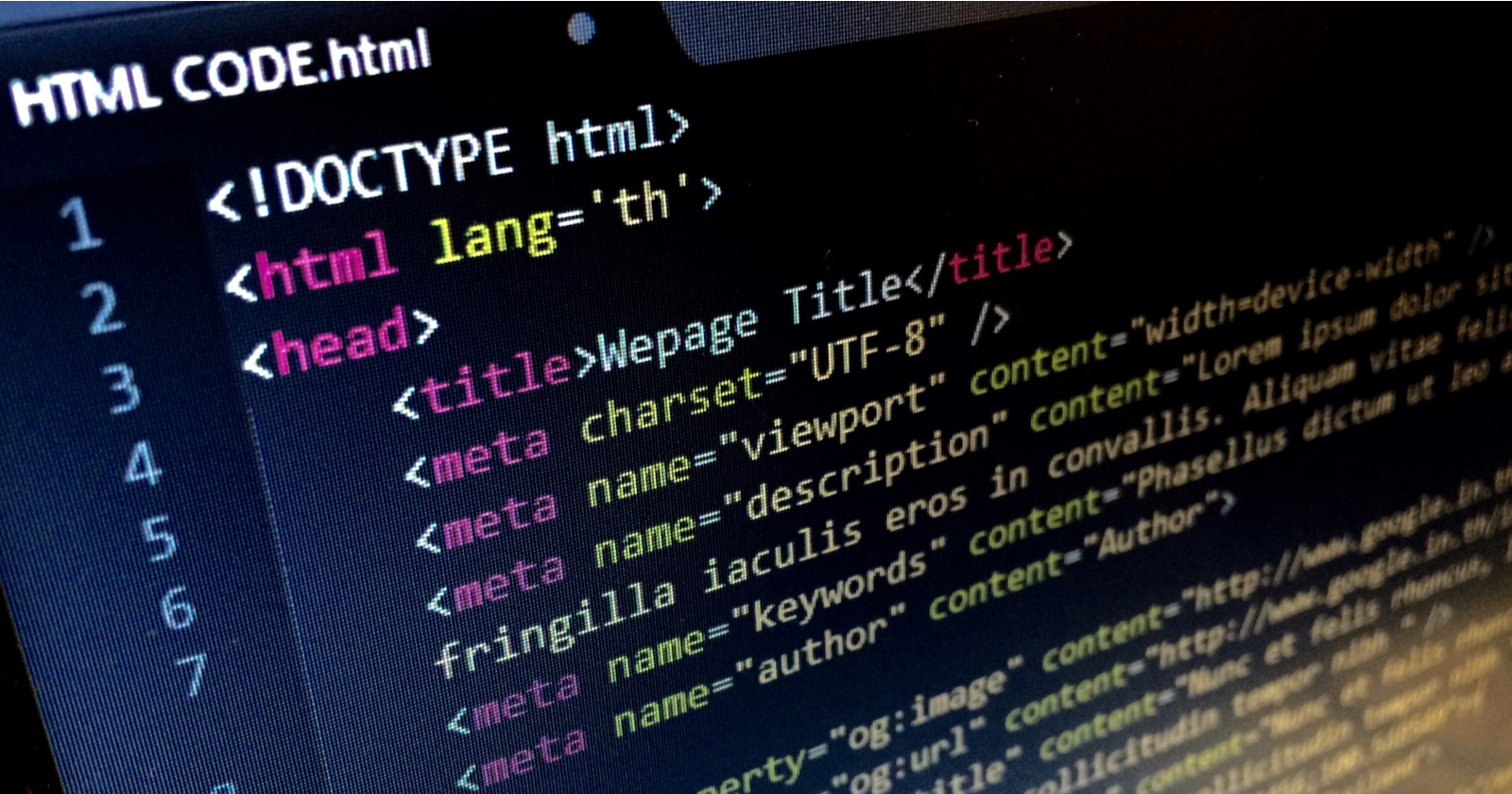
Building a webpage from scratch can be an exciting and fulfilling undertaking if you are new to web development (or coding for that matter). However, you can easily find yourself overwhelmed by the plethora of possible structural options available within the HTML language, as well as the amount of freedom it allows for you to make mistakes. Luckily, this guide is here to save the day and assist you in creating structurally sound webpages that adhere to industry best practices.
What is HTML and why do we use it?
So, what is HTML? HTML stands for Hypertext Markup Language is the coding language used to code/create webpages. Technically, it is the standard markup language used to create and structure content on the World Wide Web. A markup language defines the structure of a web document and the set of code elements used to create that structure. These elements provide instructions to web browsers on how to display content, including text formatting, links, images, etcetera.
What are the 3 main parts of an HTML element?
The three main parts of an HTML element are:
- A start tag
- Some content
- An end tag
What term refers to giving an element “extra information”?
Giving an element “extra information” refers to adding attributes to the element. Attributes are used to provide additional information about an HTML element.
What is a semantic element?
In HTML, a semantic element refers to an element that carries meaning and describes the structure of the content within the element. Semantic elements provide contextual information about the content they enclose, making it clear to both browsers and web developers what the content represents.